Plantar fasciitis can make sitting at a desk hard. It causes pain in the heel and foot. This pain can get worse after sitting for a long time. But there are ways to sit that help lower pain. This article tells you how to sit at a desk with plantar fasciitis. You will learn easy tips to feel better.
What Is Plantar Fasciitis?
Plantar fasciitis is pain in the bottom of the foot. It happens when the tissue there is hurt or inflamed. This tissue is called the plantar fascia. It supports the arch of your foot. When it gets hurt, the heel hurts a lot. This pain can be sharp and make walking hard.
Many people get plantar fasciitis from standing or walking too much. It can also come from wearing bad shoes or sitting in a wrong way. If you work at a desk, sitting properly helps you feel less pain.
Why Sitting Matters for Plantar Fasciitis
Sitting may seem easy. But how you sit can change your foot pain. If your feet do not rest well, pain can get worse. Sitting too long without moving can make the foot stiff. This makes the plantar fascia tight and painful.
Good sitting helps you keep your feet relaxed. It also helps blood flow to your feet. This stops pain and makes healing faster. So, sitting right is important.
How To Sit At A Desk With Plantar Fasciitis
Here are simple ways to sit that help your feet. Follow these steps to reduce pain and feel more comfortable.
1. Choose The Right Chair
Pick a chair that supports your back well. A good chair helps you sit with good posture. This stops extra stress on your feet and legs.
- Use a chair with a firm back.
- Adjust the height so your feet touch the floor.
- Make sure your knees are level with your hips.
2. Keep Your Feet Flat On The Floor
Do not let your feet hang in the air. Keep them flat on the floor. This gives your feet good support. It stops extra pull on your plantar fascia.
If your feet don’t reach the floor, use a footrest. This helps keep the right angle at your knees and ankles.
3. Use A Footrest Or Cushion
A footrest can help keep your feet in a good position. It takes pressure off your heels. You can also use a soft cushion under your feet.
- Choose a footrest that is not too high or low.
- Make sure it lets your feet rest flat and relaxed.
- This helps reduce foot pain during long sitting times.
4. Avoid Crossing Your Legs
Crossing legs can make your feet and hips tense. It can also stop good blood flow. This makes your plantar fascia tight. Sit with both feet flat and apart. This keeps your body relaxed.
5. Take Short Breaks Often
Sitting for a long time hurts your feet. Stand up and stretch your legs every 30 minutes. Walk a little if you can. This helps the plantar fascia relax.
Even small breaks help. Try moving your feet in circles or up and down. This keeps blood moving and stops stiffness.
6. Use Supportive Shoes Or Slippers
Wear shoes with good arch support while sitting. This helps keep your foot in the right shape. Avoid flat or soft shoes that do not support your foot.
If you like, wear special slippers made for plantar fasciitis. They help keep the plantar fascia relaxed.
7. Keep Your Posture Straight
Sitting straight helps your whole body feel better. It stops your feet from working too hard. Keep your back straight but relaxed.
- Keep your shoulders back but not stiff.
- Keep your head level and not leaning forward.
- Your elbows should rest near your body.
8. Use A Desk At The Right Height
Your desk should be at a height where you don’t bend your wrists. Keep your arms bent slightly when typing or writing. This stops extra tension in your feet and legs.
9. Stretch Your Feet While Sitting
You can stretch your feet even when sitting. This helps keep the plantar fascia loose.
- Point your toes forward and then pull them back gently.
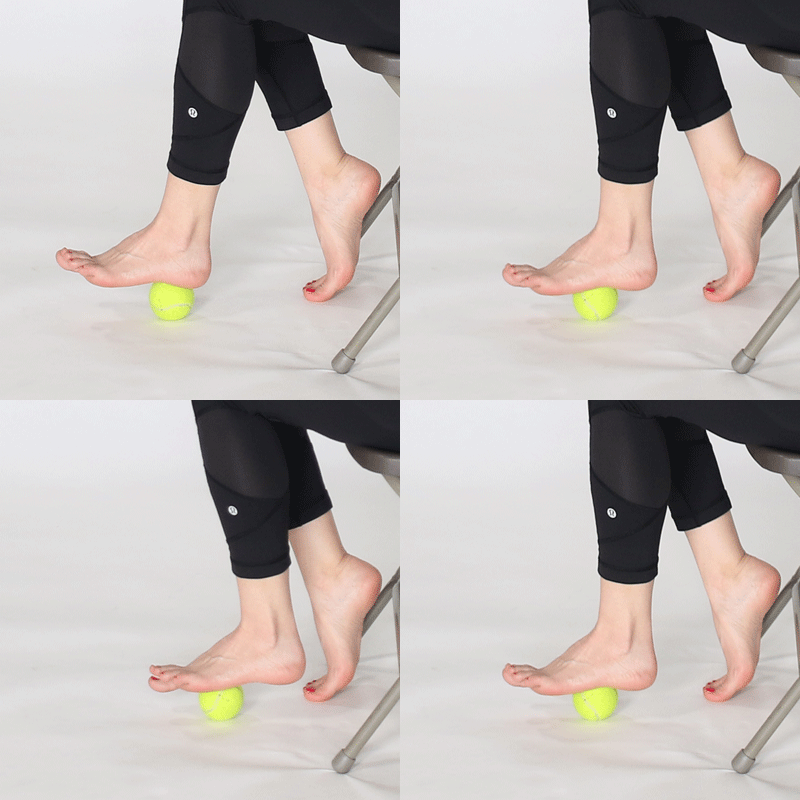
- Roll a small ball under your foot for a gentle massage.
- Stretch your calves by extending your legs and pulling toes toward you.

Extra Tips to Help Your Plantar Fasciitis
Besides sitting right, here are more ways to feel better.
Ice Your Feet
Put ice on your heel for 15 minutes after sitting. This lowers pain and swelling.
Use Orthotic Inserts
Orthotic inserts go inside your shoes. They give your foot extra support. Talk to a doctor or shoe store about good inserts.
Keep A Healthy Weight
Extra weight puts stress on your feet. Losing weight helps reduce plantar fasciitis pain.
Choose Good Shoes For Walking
Wear shoes with good arch support and cushioning. Avoid walking barefoot on hard floors.
Summary Table: How To Sit With Plantar Fasciitis
| Tip | Why It Helps |
|---|---|
| Use a chair with back support | Keeps your posture straight and reduces foot stress |
| Keep feet flat on the floor | Prevents extra pull on plantar fascia |
| Use a footrest if needed | Supports feet and improves comfort |
| Avoid crossing legs | Improves blood flow and relaxes muscles |
| Take breaks every 30 minutes | Keeps feet from getting stiff and painful |
| Wear supportive shoes | Maintains foot shape and reduces pain |
| Stretch feet while sitting | Keeps plantar fascia loose and flexible |
Final Thoughts
Plantar fasciitis can be painful. But how you sit at a desk matters a lot. Use the tips in this article every day. They help you feel less pain. Remember to move often and take care of your feet. Sitting well is an easy way to help your plantar fascia heal. Stay patient and gentle with your feet. Soon, sitting will be more comfortable.
Frequently Asked Questions
How Should I Position My Feet At A Desk With Plantar Fasciitis?
Place your feet flat on the floor or on a footrest. Avoid crossing your legs to reduce pressure on your heels.
Can Sitting Posture Affect Plantar Fasciitis Pain?
Yes, good posture helps reduce strain on your feet. Sit upright with your back supported and feet flat.
Is It Better To Use A Chair Or Stand With Plantar Fasciitis?
Sitting with proper support is best for long periods. Standing too long can increase foot pain.
What Type Of Chair Helps With Plantar Fasciitis At A Desk?
Choose a chair with good back support and adjustable height. It keeps your feet flat and reduces heel stress.