Dusting is a common chore in every home. It keeps your space clean and fresh. But dusting can be tricky. Sometimes dust just moves around. It does not really go away. Using the right cloth can help a lot. Microfiber cloth is one of the best tools to clean dust. It works very well. But you must use it the right way. This article will tell you the best way to use microfiber cloth for dusting.
What Is Microfiber Cloth?
Microfiber cloth is made from very fine fibers. These fibers are much thinner than a human hair. Because of this, the cloth can trap dust very well. It can hold dirt, dust, and even tiny particles. This cloth does not just push dust around. It catches it and holds it. This makes it better than regular cloth or feather dusters.
Why Use Microfiber Cloth For Dusting?
- Traps Dust Well: Microfiber cloth catches dust and holds it tight.
- Does Not Scratch: It is soft and safe for most surfaces.
- Reusable: You can wash and use it many times.
- No Chemicals Needed: You can dust with water or dry cloth only.
- Good For Allergies: It traps dust and allergens better than other cloths.
How To Use Microfiber Cloth For Dusting
Using microfiber cloth is simple. But some ways work better than others. Follow these steps for the best results.
1. Choose The Right Cloth
Microfiber cloths come in different sizes and thickness. For dusting, pick a soft and thin cloth. Avoid thick or rough cloths. They can leave marks or not pick dust well. Look for cloths made for dusting if possible.
2. Use The Cloth Dry Or Slightly Damp
You can use microfiber cloth dry or a little wet. Dry cloth works well for light dust. If dust is sticky or oily, wet the cloth slightly. Use clean water only. Do not soak the cloth. Wring it well before use.
3. Dust From Top To Bottom
Start dusting from high places like shelves or cupboards. Dust will fall down. Clean lower surfaces last. This way, you won’t dust the same place twice.
4. Use Gentle Movements
Use soft, gentle strokes to pick dust. Avoid rubbing hard. Rubbing can spread dust or hurt surfaces. Move the cloth slowly and carefully.
5. Clean The Cloth Often
Dust collects on the cloth quickly. When the cloth looks dirty, shake it outside. You can also rinse it with water. Using a clean cloth helps pick dust better.
6. Wash The Cloth Properly After Use
Wash your microfiber cloth often. Use warm water and mild detergent. Avoid bleach or fabric softeners. They can damage the cloth. Let the cloth air dry. Do not use a dryer if you can avoid it.
Tips For Better Dusting With Microfiber Cloth
- Use Separate Cloths: Use different cloths for dusting and cleaning spills.
- Keep Cloth Clean: Always use a clean cloth for dusting. Dirty cloths spread dust.
- Use Gloves: If you have allergies, wear gloves while dusting.
- Change Cloth Often: For large areas, use multiple cloths to keep dusting effective.
- Store Cloth Properly: Keep your microfiber cloth in a clean, dry place.
Common Mistakes To Avoid When Using Microfiber Cloth
| Mistake | Why It Is Bad | How To Avoid |
|---|---|---|
| Using Fabric Softener | Softener clogs fibers, reduces dust trapping. | Wash without softener or bleach. |
| Using Cloth Too Wet | Too much water can spread dust and dirt. | Use only slightly damp cloth. |
| Using Cloth On Rough Surfaces | Rough surfaces can damage the cloth. | Use cloth only on smooth surfaces. |
| Not Washing Cloth Regularly | Dirty cloth spreads dust and allergens. | Wash cloth after several uses. |
| Using Same Cloth For Floors And Furniture | Cross-contamination of dirt and dust. | Use separate cloths for different areas. |
How Microfiber Cloth Is Different From Other Dusting Tools
Many people use feather dusters, cotton cloths, or paper towels for dusting. Each has its own way. But microfiber cloth is different.
- Feather Duster: It moves dust but does not catch it well.
- Cotton Cloth: It pushes dust around instead of trapping.
- Paper Towels: They are wasteful and not reusable.
- Microfiber Cloth: It traps dust inside the fibers.
This makes microfiber cloth better for cleaning dust. It keeps dust from flying in the air. It helps keep the room cleaner for longer.
Where To Use Microfiber Cloth For Dusting
Microfiber cloth works well on many surfaces. Here are some places where it is useful:
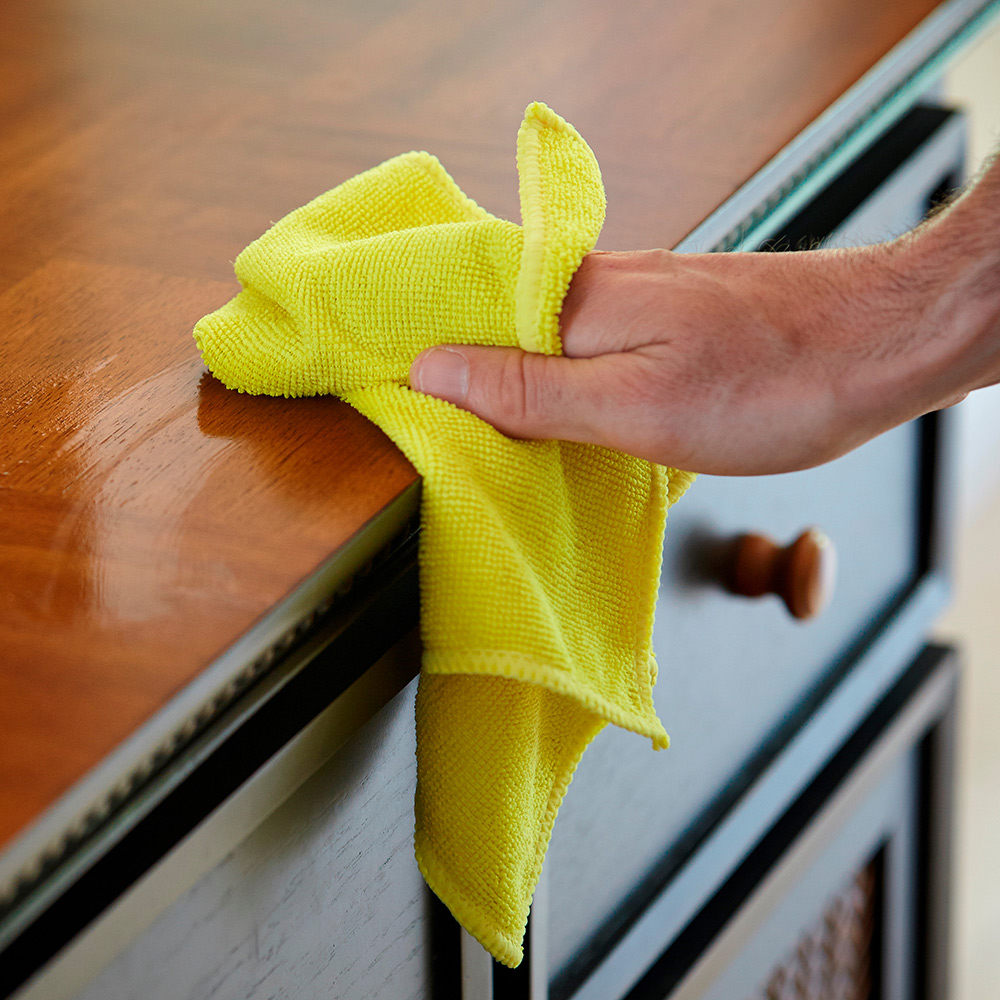
- Wooden furniture like tables and chairs.
- Glass surfaces such as windows and mirrors.
- Electronics like TVs, computers, and phones.
- Shelves and cabinets.
- Car interiors.
- Kitchen counters and appliances.
- Bathroom surfaces.
Always check if the surface is safe for dusting with microfiber cloth. If unsure, test on a small spot first.
:max_bytes(150000):strip_icc()/how-to-clean-microfiber-cloth-GettyImages-1314720631-dfb583e54f9e40dea2fea26b6dfaf26f.jpg)
Frequently Asked Questions
How Do Microfiber Cloths Trap Dust Effectively?
Microfiber cloths have tiny fibers that hold dust and dirt. They attract dust like a magnet without spreading it around. This makes cleaning quick and easy.
Can Microfiber Cloths Be Used Dry Or Wet For Dusting?
Both dry and slightly damp microfiber cloths work well for dusting. Dry cloths pick up loose dust, while damp cloths remove sticky dirt. Choose based on the surface and dust type.
How Often Should I Wash Microfiber Cloths?
Wash microfiber cloths after every few uses to keep them clean. Use mild detergent and avoid fabric softeners. This keeps the cloths dust-attracting and long-lasting.
What Surfaces Are Safe For Microfiber Dusting?
Microfiber cloths are safe on wood, glass, electronics, and painted surfaces. They won’t scratch or damage delicate items. Perfect for most household dusting jobs.
Conclusion
Microfiber cloth is a smart choice for dusting. It catches dust better than other tools. Using it the right way gives best results. Remember to use dry or slightly damp cloth. Dust from top to bottom. Clean the cloth often. Wash it well after use. Avoid common mistakes like using fabric softener.
With these simple steps, your home will be dust-free and fresh. Microfiber cloth makes dusting easy and effective. Try it and see the difference in your cleaning routine.